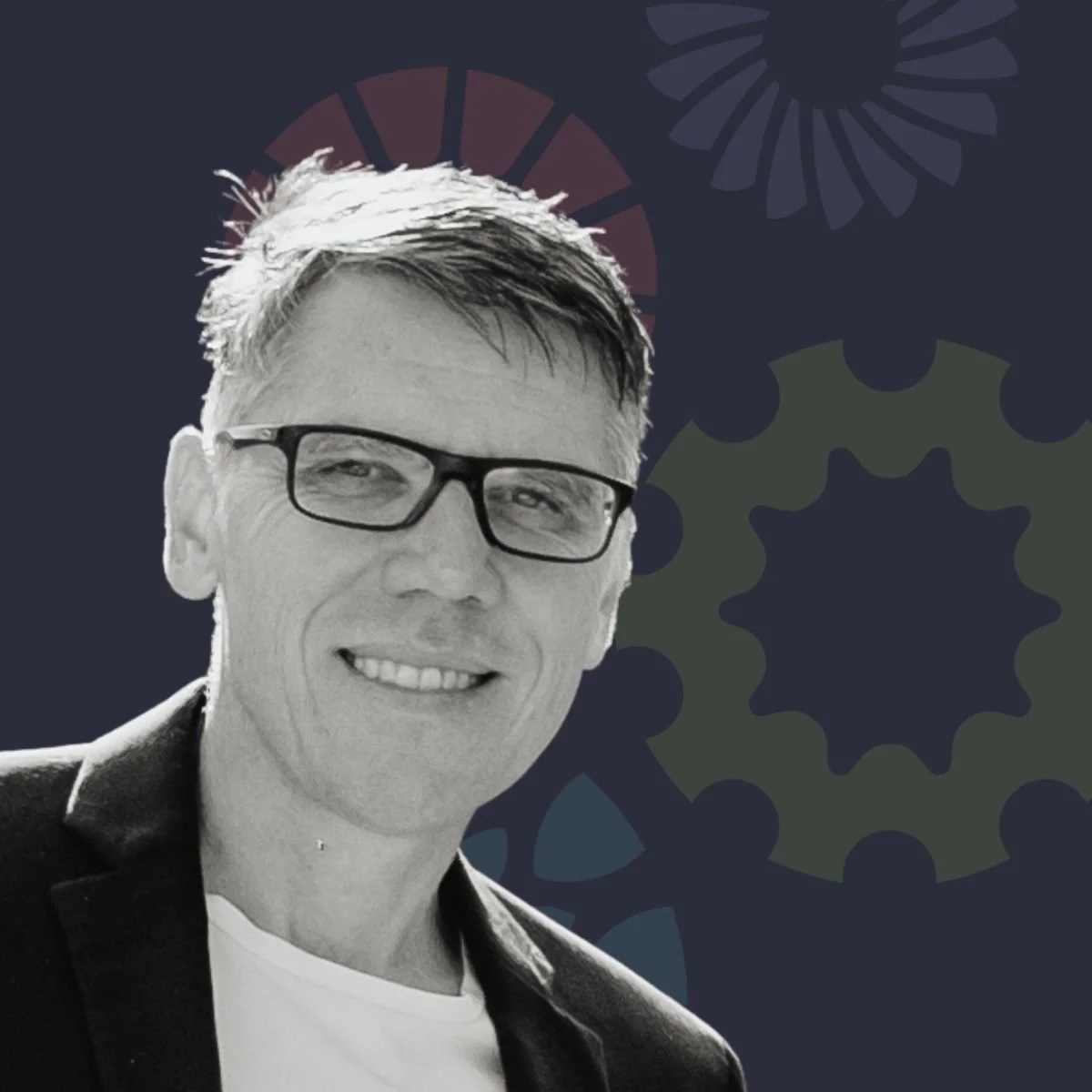
Leadership for an Era of Complexity
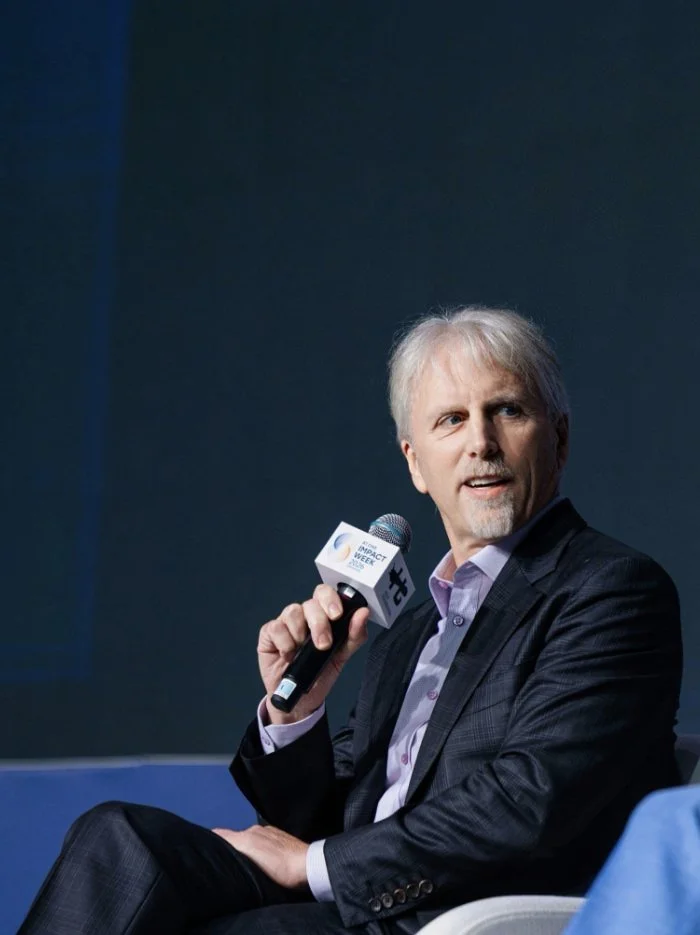
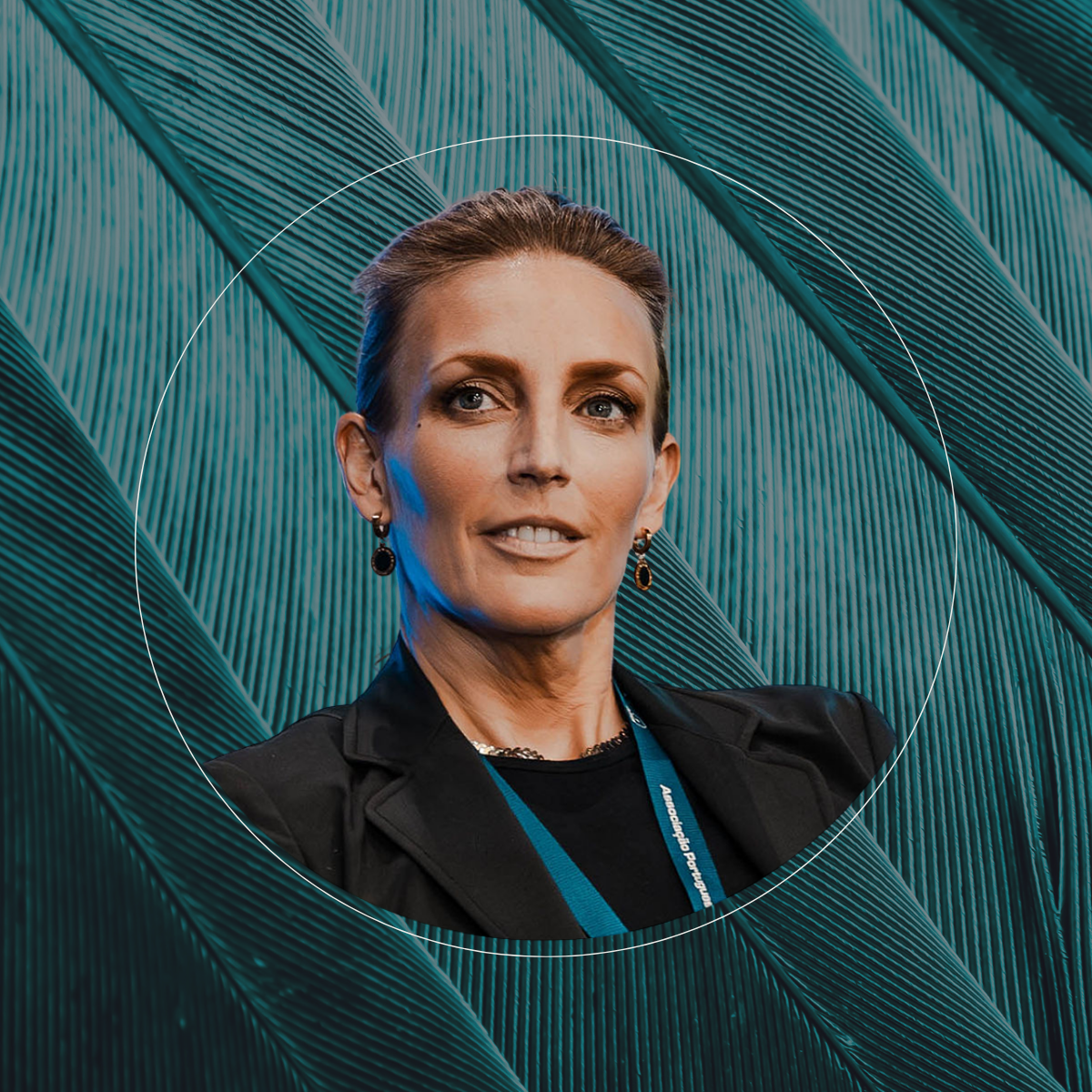
A Conversation With Paolo Lanzarotti, Board Member at Mutual Value Labs and Former CEO at Asahi Europe & International

“The biggest lesson I’ve learned over the years as a leader is that the first thing to do is to just shut up and listen. There’s always time for telling and doing. Listening comes first.”
Paolo Lanzarotti has spent almost four decades leading global businesses across the energy, consumer goods and brewing industries, most recently serving as CEO of Asahi Europe & International. Having led organizations across Europe and Asia, he has become a strong advocate for creating long-term business value by integrating commercial performance with positive outcomes for people and the planet. He recently joined the Board of the Economics of Mutuality Alliance’s Mutual Value Labs, bringing a practitioner's perspective to our mission of helping organizations create enduring mutual value.
In this conversation, Paolo reflects on how his thinking has evolved throughout his leadership career – from a traditional focus on financial performance to a broader understanding of value creation. He shares how the Economics of Mutuality approach shaped his leadership at Asahi, why listening has become his defining leadership principle, and why he believes creating value for business, society and the planet is no longer simply an aspiration, but an increasingly urgent business imperative.
When did you first come across the Economics of Mutuality approach? Why did it resonate with you?
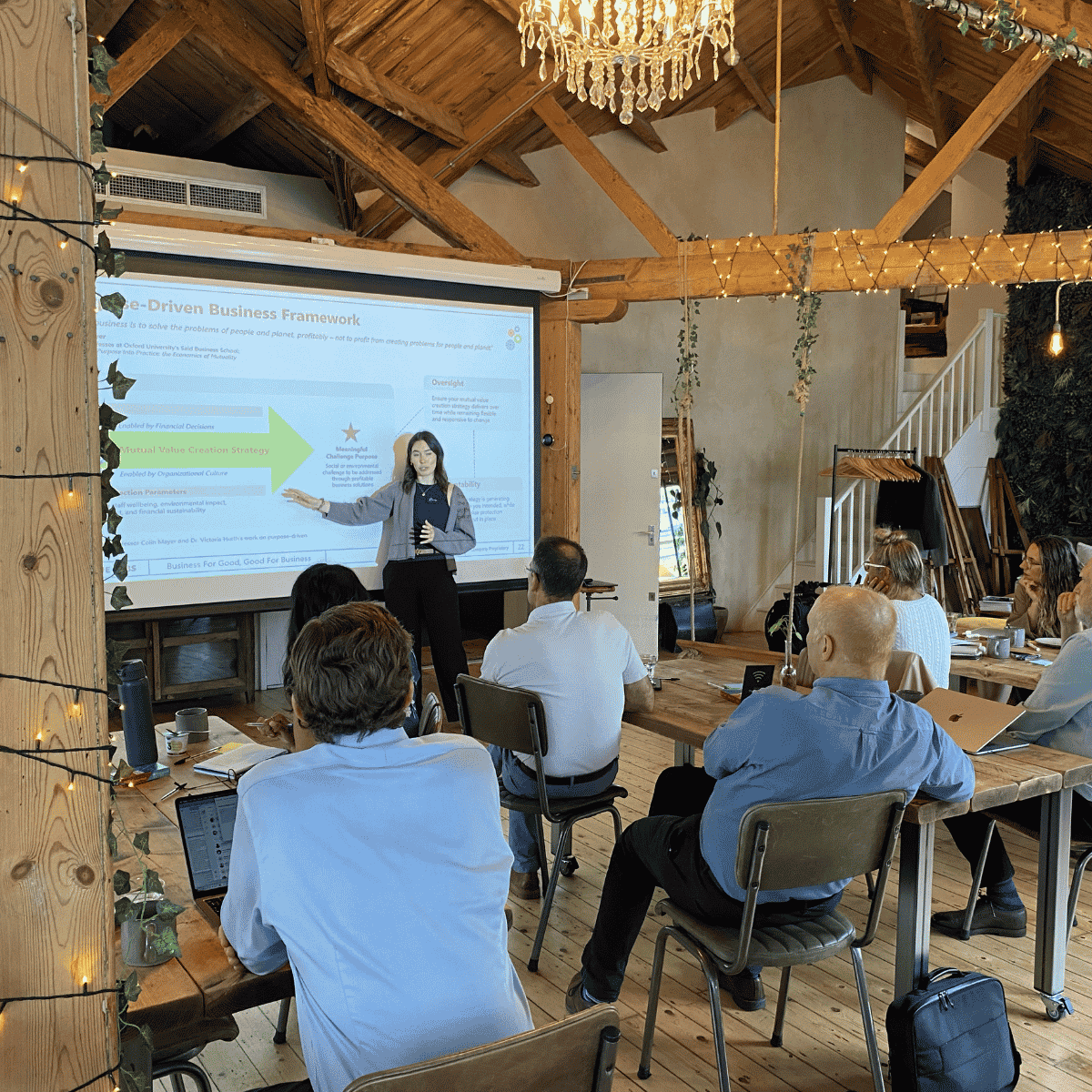
I first encountered the Economics of Mutuality in 2017 as CEO of Asahi Europe & International, when younger colleagues began asking questions about purpose. Until then, I'd been a leader of doers. I realized I needed to better understand what purpose really meant in a business context. Through conversations with Professor Colin Mayer at Oxford University and the team behind the Economics of Mutuality approach, I discovered what I still believe is one of its greatest strengths: it's a strategic business framework for doing good. What resonated with me was that it never positioned purpose in opposition to performance. It recognized that profit matters but that profit alone isn't enough.
I'm not shy about saying that making money is important. But if making money is your only objective, I fundamentally believe the path ahead is ultimately limited. Today's businesses face rising societal expectations, regulatory change, competition for talent and environmental pressures that make long-term value creation impossible without considering people and the planet alongside financial performance.
How did you put these ideas into practice?
The first step at Asahi Europe & International was helping our leadership teams think differently. We introduced the Economics of Mutuality approach across multiple functions – not just sustainability or corporate affairs, but finance, marketing and commercial teams – so people could develop a broader understanding of value creation.
One of the most powerful applications came through our brands. As market leaders across Central and Eastern Europe, we believed we had a responsibility not only to grow our business but also to strengthen the communities we served. Using the Economics of Mutuality as a strategic lens, we reimagined the positioning of several flagship brands.
In Poland, Żubr became rooted in nature. Peroni strengthened its focus on inclusivity. Perhaps most significantly, Kozel evolved to address loneliness among younger generations. People often asked what role a beer brand could possibly play in tackling loneliness. My answer was always the same: we absolutely have a role to play. There was a compelling business rationale alongside a clear social rationale. Together, they gave us the confidence to act. Addressing loneliness strengthened the brand, supported our hospitality partners and responded to a genuine societal challenge.
When we talk about the Economics of Mutuality, we often refer to different forms of value – human, social, natural and financial. What does the word "value" mean to you in business?
For much of my career, value meant one thing: economic value. That began to change around 2017. I realized sustainability wasn't simply about doing the right thing morally; it was about protecting the future of the business itself. Beer is made from water, barley, hops and yeast. If climate change threatens water availability or crop production, sustainability becomes fundamental business strategy.
Long-term thinking is already embedded in our industry. We don't build breweries with a three-year horizon. We build them with a fifty-year horizon. That same mindset should apply to climate, nature and people. Even during the COVID-19 pandemic and the start of the war in Ukraine, when Asahi came under enormous pressure, we didn't abandon these priorities. We had to place greater emphasis on financial resilience, but we never stopped investing in people, nature and sustainability. Volatility doesn't diminish the importance of long-term thinking. If anything, it reinforces it.
What kind of leadership is needed to create long-term mutual value?
I believe leaders today need to become better listeners and more comfortable with uncertainty. The traditional model of leadership that says, "Follow me, I have all the answers," simply no longer reflects reality. Leaders need frameworks rather than rigid plans, together with the confidence to learn through experimentation. One lesson I feel particularly strongly about is creating environments where people can learn safely from mistakes. At Asahi, we even introduced an internal marketing award recognizing the biggest learning from failure.
One of my own turning points came after an employee asked me about our decarbonization strategy during a company town hall in the very early years of Asahi Europe & International – after a period of restructuring and strong profit delivery. My instinct was to hand the question to our sustainability team. Afterwards, I realized I would never have done that if the question had been about finance or marketing. That moment fundamentally changed how I thought about my own responsibilities as a leader.
What excites you about joining the Board of Mutual Value Labs?
The mission aligns perfectly with where I want to devote my time and energy. After decades leading large organizations, I hope I can bring a practitioner's perspective – not only sharing what worked, but also the lessons from what didn't. I also believe Mutual Value Labs has an important role to play at a time when conversations around sustainability and purpose have become more challenging.
The opportunity isn't simply to help organizations understand mutual value. It's to help them recognize that creating value for business, society and the planet simultaneously is no longer an aspiration. It's increasingly becoming a business necessity.
Finally, is there a motto you live by?
I often end conversations with two words: Ad maiora. It means "onwards to better days." In Latin. I'm a pragmatic optimist. Wherever we've come from – whether you've had a brilliant day or a terrible one – I believe there's always a better day ahead. That optimism has shaped my career, and I believe it's essential if we're going to build businesses capable of creating enduring mutual value.